Understanding the Allure of the Casino Experience
The casino environment is meticulously designed to engage a player’s senses and emotions, creating an immersive experience. From the ambient sounds of slot machines to the visual stimulation of flashing lights and the social interaction around tables, every element contributes to a powerful psychological effect. This carefully curated atmosphere can heighten excitement and anticipation, making the act of playing feel more significant and rewarding, even before any actual wins occur, and it’s important to stay aware of these influences.
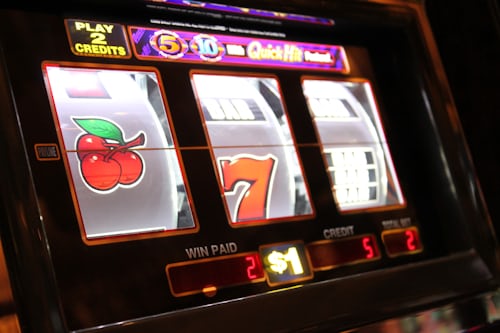
This psychological framing is a cornerstone of the casino’s appeal. It leverages innate human desires for excitement, potential reward, and social engagement. The thrill of the unknown, the possibility of a life-changing win, and the dynamic energy of the gaming floor all combine to draw individuals into the experience, making it far more than just a simple game of chance. The anticipation itself becomes a significant part of the enjoyment.
The Cognitive Biases at Play
Several cognitive biases significantly influence decision-making within a casino setting. The “illusion of control,” for instance, leads players to believe they can influence the outcome of games that are purely based on chance, such as roulette or dice. This belief can stem from past successes, superstitions, or a general tendency to attribute outcomes to personal agency rather than randomness. This misguided sense of control can encourage more frequent and larger bets.
Another prevalent bias is the “availability heuristic,” where players overestimate the likelihood of winning based on memorable instances of large jackpots they’ve heard about or seen. The infrequent but dramatic wins are more salient in memory than the countless smaller losses, creating a distorted perception of winning probabilities. This can lead to an optimistic outlook that doesn’t accurately reflect the statistical realities of most casino games.
Emotional Regulation and Risk-Taking
Emotional states play a crucial role in gambling behavior. Excitement and euphoria experienced during winning streaks can amplify risk-taking tendencies, while frustration or disappointment following losses can lead to impulsive decisions aimed at recouping losses, often referred to as “chasing losses.” Effective emotional regulation is therefore a key factor in maintaining a healthy and controlled gambling experience.
Casinos often foster an environment where emotions can run high. The fluctuating fortunes of gameplay can lead to intense emotional responses, from elation to despair. Understanding how these emotions impact judgment is vital. For instance, the feeling of being “in the zone” during a winning streak might feel like intuition, but it could also be a sign of heightened emotional arousal overriding rational assessment of risk.
The Impact of Near Misses and Reinforcement Schedules
The phenomenon of “near misses” is a powerful psychological tool used in slot machines. When a player is close to hitting a winning combination but falls just short, it can create a strong sense of anticipation and encourage further play, as it feels like a win is imminent. This is a form of intermittent reinforcement, where rewards are not given every time, making the behavior more resistant to extinction and highly compelling.
Slot machines, in particular, are expertly designed to exploit these principles of reinforcement. The unpredictable nature of payouts, coupled with the visual and auditory cues associated with potential wins (including near misses), creates a potent feedback loop. This variable ratio reinforcement schedule is known to be one of the most effective ways to maintain a behavior, making it difficult for players to stop playing once engaged.

Navigating the Casino Landscape Responsibly
When engaging with online casinos, understanding the psychological principles at play is the first step toward responsible gaming. Sites like Cloudflare, which help ensure the smooth operation of these platforms, are part of the technical infrastructure that supports the player experience. While the technical side ensures availability, it’s the psychological design that influences player engagement. Recognizing how these factors influence your decisions empowers you to play more mindfully.
The core of any casino journey, whether online or in person, involves a blend of chance, strategy, and psychology. Acknowledging the cognitive biases and emotional triggers that can affect judgment is paramount. By staying aware of these influences and approaching the experience with a clear head and pre-determined limits, players can enhance their enjoyment and mitigate potential risks, ensuring their casino journey remains a form of entertainment rather than a source of distress.